
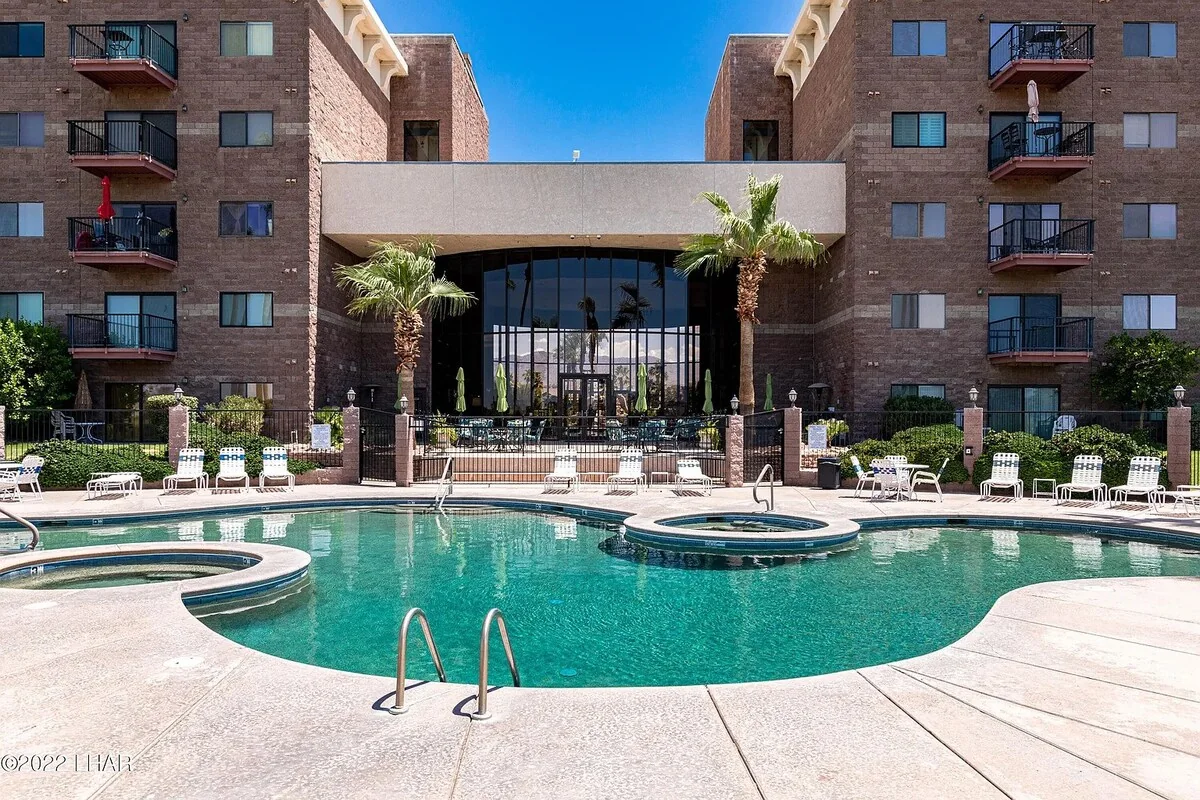
Make the intended use clear early: full-time home, winter base, weekend place or rental. That choice changes the questions you need answered before committing.
Start with the life you are buying for
Write down what a successful week in the condo would look like. Will you carry groceries upstairs every day, arrive with a boat on weekends, work from home or leave the property empty for part of the year? Those details turn a broad list of attractive properties into a more useful search.
Build a first-year budget before touring. Alongside the purchase and closing funds, allow for the unit’s ongoing expenses and any immediate work or furnishings. Keep money for unresolved items separate until the appropriate professional gives you an actual quote.
Use the tour to answer practical questions
Visit the unit from the parking space you would use. Check the garage opening, stairs, elevator route, door thresholds and storage. Inside, look at room dimensions and furniture placement rather than using a wide-angle photo as a floor plan.
Spend time on the patio or balcony. Note its orientation, privacy and what you can hear from neighboring uses. If you expect to use the outdoor space in a particular season or time of day, consider a second visit that matches it. Ask which appliances, furnishings, keys and access devices are included.
Run the property and association reviews together
Your unit inspection and the association records answer different questions. Use the inspection to understand the condition of the unit and the systems within its scope. Use the association review to understand shared obligations, maintenance responsibilities and restrictions. Ask about any issue that falls between them.
Fannie Mae notes that a lender’s condo review can consider the project’s condition, finances and certain legal or safety issues. Tell the lender which property you are considering early. A comfortable personal budget alone does not settle whether the project works for the selected financing.
Put important answers into the transaction
Discuss inspection, financing, document-review and closing deadlines with your agent before making an offer. Keep a dated question list and ask who will obtain each answer. If the intended use depends on a rental rule, garage right or repair, identify the written evidence needed to resolve it.
A verbal impression from a tour should not substitute for a transaction document. Have your agent and, where needed, an appropriate attorney explain the documents and options before the relevant deadline. Use the contract’s actual terms rather than a general online timeline.
Make the handoff part of the plan
Before the final walkthrough, confirm the agreed items and the condition you expect at transfer. Arrange your insurance and utility start dates, learn the association’s owner-registration process and account for keys, remotes, gate access, parking permits and mailbox information.
For a home you will not occupy immediately, decide who will visit it after closing and how they will reach you. Collect operating instructions for the cooling system, water shutoff and other equipment. A clear first-week plan makes the ownership transition easier.
Questions that come up
Is buying a condo different from buying a house?
The home purchase still needs a careful property and financial review. A condo also calls for attention to the association, shared property and the project requirements of your loan. Coordinate those reviews early so an unanswered building question does not arrive at the end of the transaction.
Start the association reviewShould I inspect a condo if the HOA handles the exterior?
Discuss the inspection scope with your inspector and review the association’s responsibilities separately. Shared maintenance does not tell you the condition of the unit’s interior systems or resolve every boundary between owner and association work.
Plan the review for a specific unit