
Price from relevant condo comparisons, document the features that transfer and make the association information easy to obtain. Use current payoff and transaction quotes to plan your proceeds.
Start with condo comparisons that explain the price
Recent sales in the same complex can provide a useful starting point, but floor level, condition, views, parking and layout still matter. Ask for a comparison that explains the adjustments and identifies where the available sales are limited.
Keep active competition beside closed transactions without treating an asking price as a completed sale. If the closest comparable sale is older or differs substantially, discuss that uncertainty directly. A pricing plan should also identify when you will revisit the evidence as the listing is exposed to buyers.
Prepare the association information before questions arrive
Locate the current assessment statement and the association or management contact. Gather the governing documents you hold, then ask which materials need a fresh request for the sale. Flag any known additional assessments or shared work that buyers will need explained.
Arizona’s condominium resale disclosure requirements are a starting point for the transaction team. Ask your agent to coordinate the request, responsible party and delivery process for this condominium. Early organization can prevent avoidable delays after a buyer is under contract.
Show the unit’s practical advantages clearly
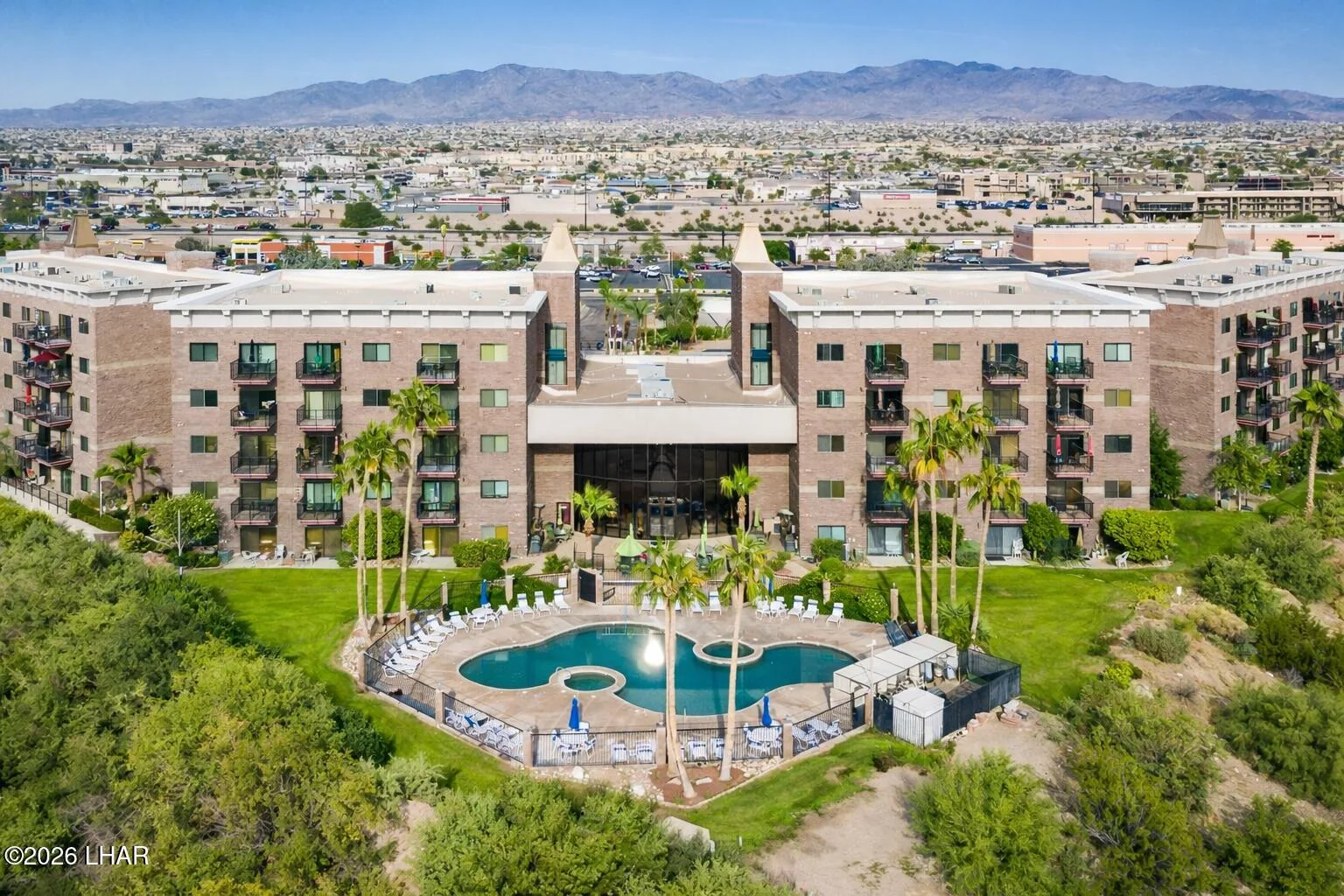
Prepare a room-by-room list of improvements and supporting records. Use accurate photographs of the unit and its actual outlook, and explain the entrance, laundry, storage and parking arrangement. A prospective buyer should not have to infer those features from a complex-wide image.
Clarify which furnishings and equipment will stay. If a garage, storage area or additional parking space is included, identify the documents supporting that arrangement. Keep amenity and rental claims precise enough to be checked.
- Photograph the actual unit, view and access route.
- Record improvement dates and available service or warranty information.
- Identify included furnishings separately from staging.
- Explain parking, storage and access devices that transfer.
Compare estimated proceeds, not just sale price
Use the full seller net-sheet calculator below to organize possible sale outcomes. Replace its assumptions with your current payoff, title estimate, agreed professional fees and other transaction-specific figures. Commission and other negotiated costs should reflect your actual agreement.
When comparing offers, consider documented credits, requested repairs, financing, timing and contingencies alongside price. Have the transaction team explain prorations and any association charges. Keep the estimate current as the deal changes; it is not a final settlement statement.
Prepare a clean transfer to the new owner
Organize keys, remotes, gate devices, mailbox details and equipment instructions. Confirm the association’s transfer or owner-registration process and schedule move-out arrangements that comply with the building’s rules.
At the final stage, use the contract and closing instructions to confirm the condition and included items expected at possession. A clear handoff supports the sale you negotiated and saves the new owner from having to reconstruct basic property information.
Questions that come up
Should I use citywide house prices to price my condo?
Use relevant condo sales and competing units first. A citywide single-family figure represents a different property segment and may not reflect your complex, floor, condition or parking. Ask for the comparison behind the recommended price.
Request a property-specific valuationDoes the net-sheet calculator show my exact proceeds?
It estimates proceeds from the inputs. Your actual result depends on the agreed transaction, payoff, title charges, prorations and other final figures. Replace saved assumptions with current information and compare the estimate with the closing documents.
Review a condo sale scenario